Sawmills/Wood Processing/Timber Dust Extraction Systems
Woodworking Dust Collectors for Sawmills and Timber Processing
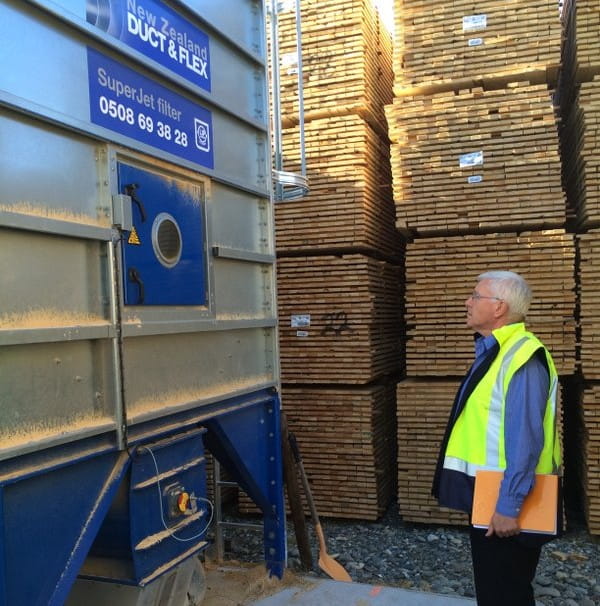
Advanced filter design like this Jet filter can process huge air volumes using a small footprint, as well as includig unique safety and energy features.
Why Wood Dust Control Matters
Woodworking machine operators, carpenters, cabinet makers, and timber processing workers face the highest exposure risk, with prolonged inhalation linked to cancers of the nasal cavity, sinuses, and nasopharynx. Composite materials such as MDF carry additional risks due to formaldehyde content.
Work practices that were standard thirty years ago are no longer compliant. Increased focus on worker health and operational safety has driven tighter regulatory requirements across New Zealand. Businesses that have not reviewed their wood dust extraction systems in recent years may be operating below current standards.
Dust is explosive and new safety features available now include vertical venting. However only NZ DUCT+FLEX offer VFV (Vertical Flameless Venting) as a standard part of many of our filter products - tested and certified to operate safely should a dust explosion occur.

Unique Vertical Flameless Venting
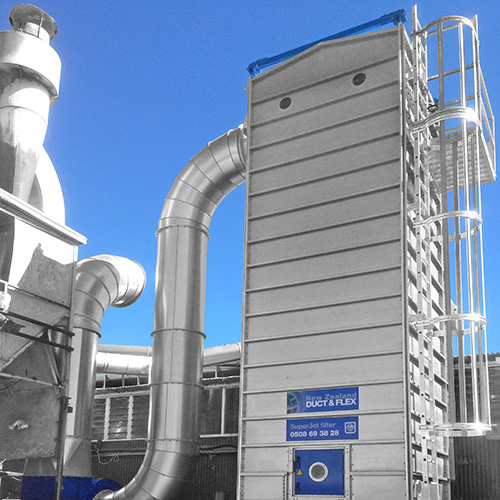
High Volume Dust Extraction Systems for Sawmills and Timber Processors
Smaller wood workshops and wood shop dust extraction setups have different requirements to large-scale timber processing, but the sizing principle is the same. Whether you need a dust collection system for a wood shop or a fully specified woodworking shop dust collection system for a larger production environment, a correctly sized collector ie one with a sufficient filter area, will outperform an undersized unit running inefficiently every time, despite many companies using the best price offered as their selection criteria.
Band saws generate high volumes of fine timber dust across a wide area. Effective extraction requires:
• Capture as close to the blade as possible
• Filtration matched to the particle size being generated
Woodworking dust filtration quality directly impacts air cleanliness and how long your system performs before requiring maintenance.

Energy Efficiency and Woodworking Dust Filtration Running Costs
Energy costs are a major operational consideration for timber processing businesses. Older dust collectors use fixed-pressure compressed air to clean filter bags, typically set at a constant 5 bar on a fixed cycle, regardless of whether cleaning is required.
Our systems use VARIpulse cleaning, which:
• Pulses filter bags only when sensors detect they need cleaning
• Adjusts pressure between 1.5 and 5 bar based on airflow
This reduces compressed air consumption by 50–90%, lowering compressor load and significantly reducing ongoing running costs.
Wood Shop Dust Extraction and Band Saw Dust Extraction
Smaller wood workshops and wood shop dust extraction setups have different requirements to large-scale timber processing, but the sizing principle is the same. Whether you need a dust collection system for a wood shop or a fully specified woodworking shop dust collection system for a larger production environment, a correctly sized collector ie one with a sufficient filter area, will outperform an undersized unit running inefficiently every time, despite many companies using the best price offered as their selection criteria.
Band saws generate high volumes of fine timber dust across a wide area. Effective extraction requires:
• Capture as close to the blade as possible
• Filtration matched to the particle size being generated
Woodworking dust filtration quality directly impacts air cleanliness and how long your system performs before requiring maintenance.
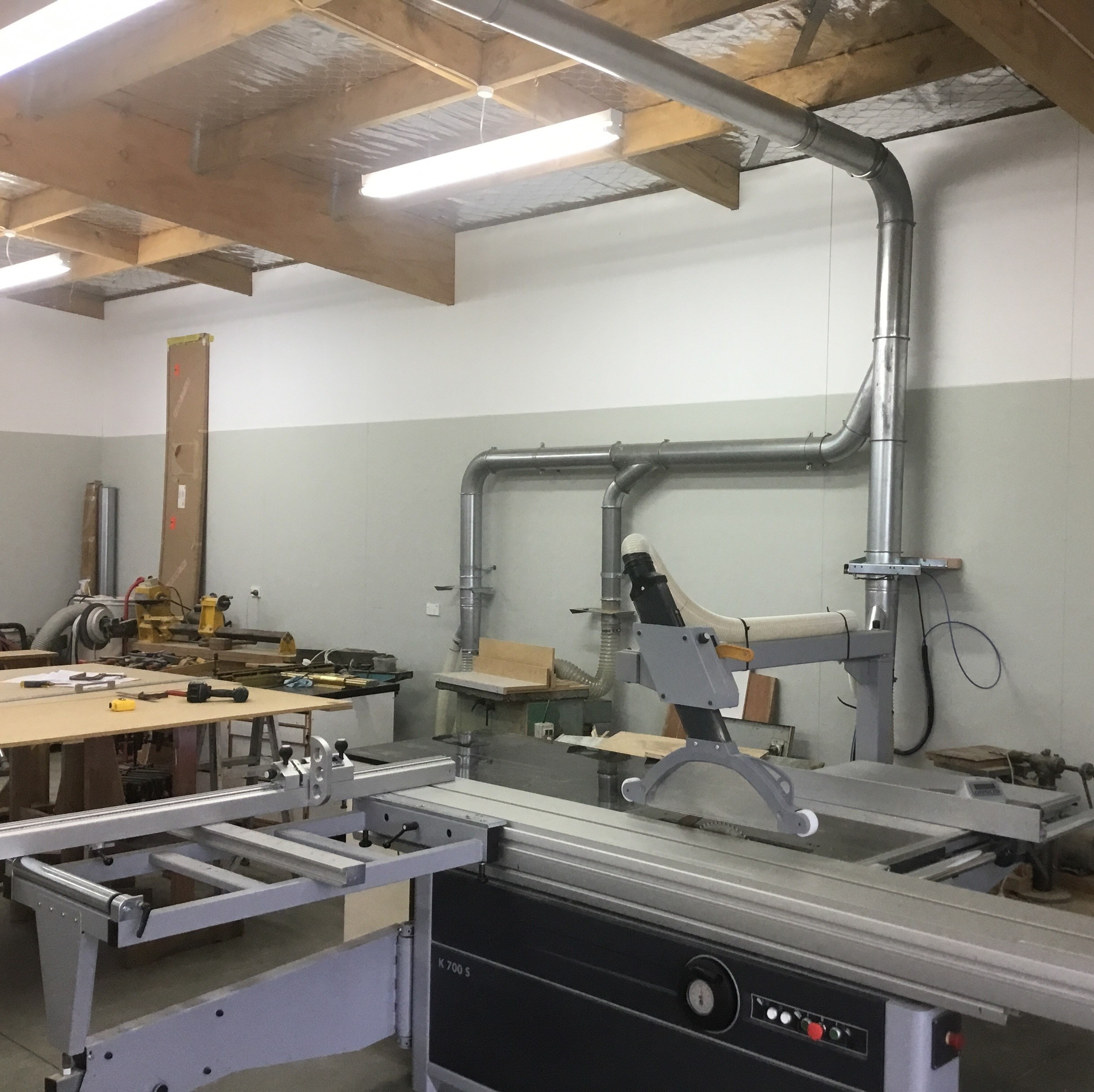
A clean safe workshop is only achieved if you have the correct filter area required for the number of machines processing the wood product
Getting the Woodworking Dust Collection System Sized Corrrectly
The most common problem in woodworking dust extraction is a collector that was not correctly sized for the operation it serves. Undersized wood dust collectors block up quickly, lose suction efficiency, and create pressure on operators to replace filter bags repeatedly. Buying new bags becomes a costly short-term fix for a system that was incorrectly specified from the start.
A single large, correctly sized dust collector is typically more effective than multiple smaller units positioned around the workshop. Smaller trolley-type machines leak dust, lose efficiency quickly, and are increasingly scrutinised under modern workplace health standards.
NZ Duct has extensive experience specifying woodworking dust collectors, wood dust extraction systems, and timber processing setups of all scales throughout New Zealand. When we correctly specify a system and allow for future growth, our dust collectors typically operate on the same filter socks ten years after commissioning. Most other systems on the market require annual sock replacement to avoid blockages. A large filter area will give you the best value for money rather than try to use a large fan to push dust through a smaller filter area. Being sold a dust solution based on fan size is incorrect and false economy. Ask your supplier "What is the filter area?"
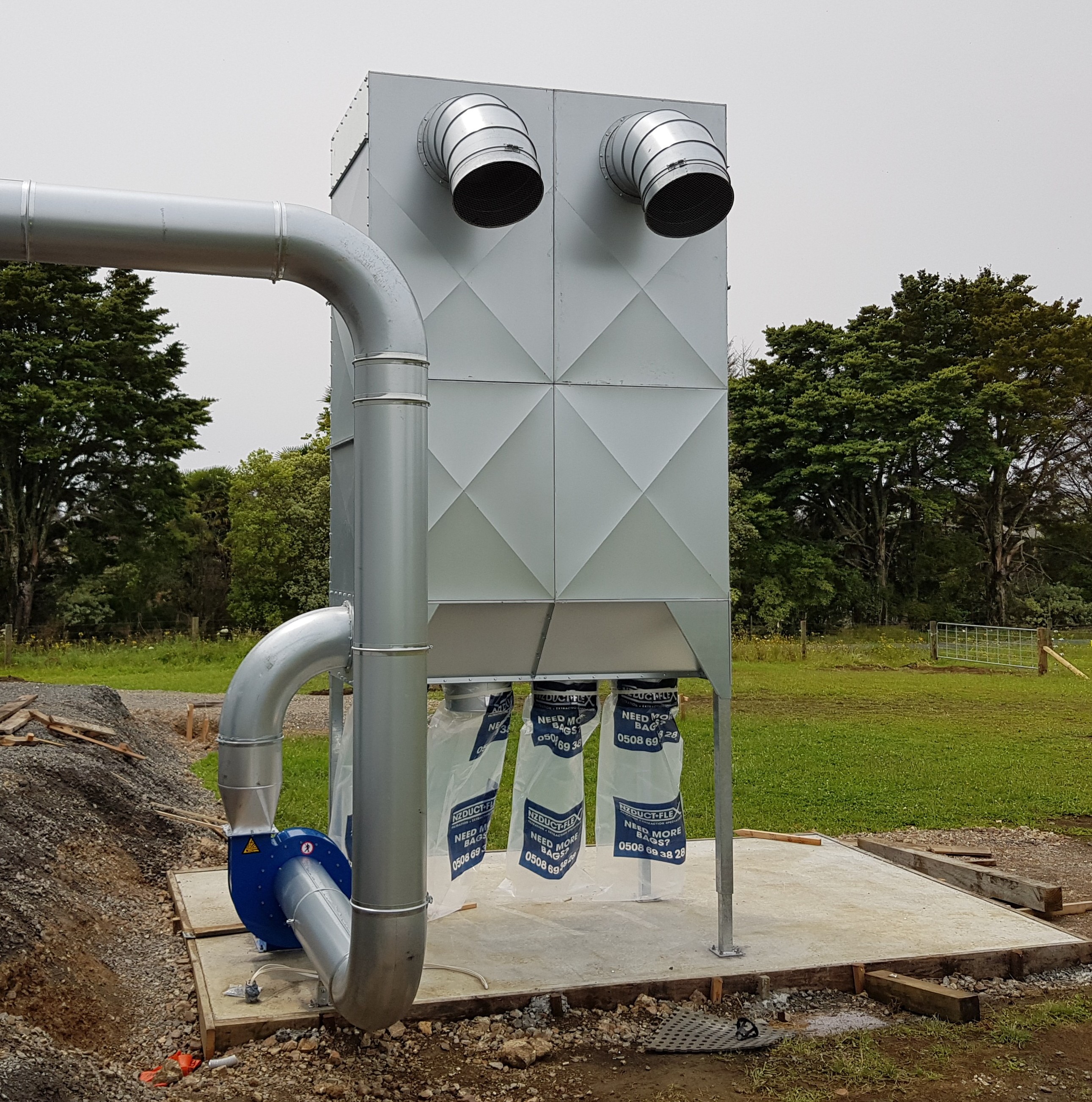
Get in touch today!
Whether you operate a large sawmill or a small joinery, NZ Duct can specify a wood dust extraction system that is correctly sized, compliant, built for long-term performance, and will be the safest solution you can afford.
Learn more about dust extraction systems. Or contact us to discuss your requirements.